The claim
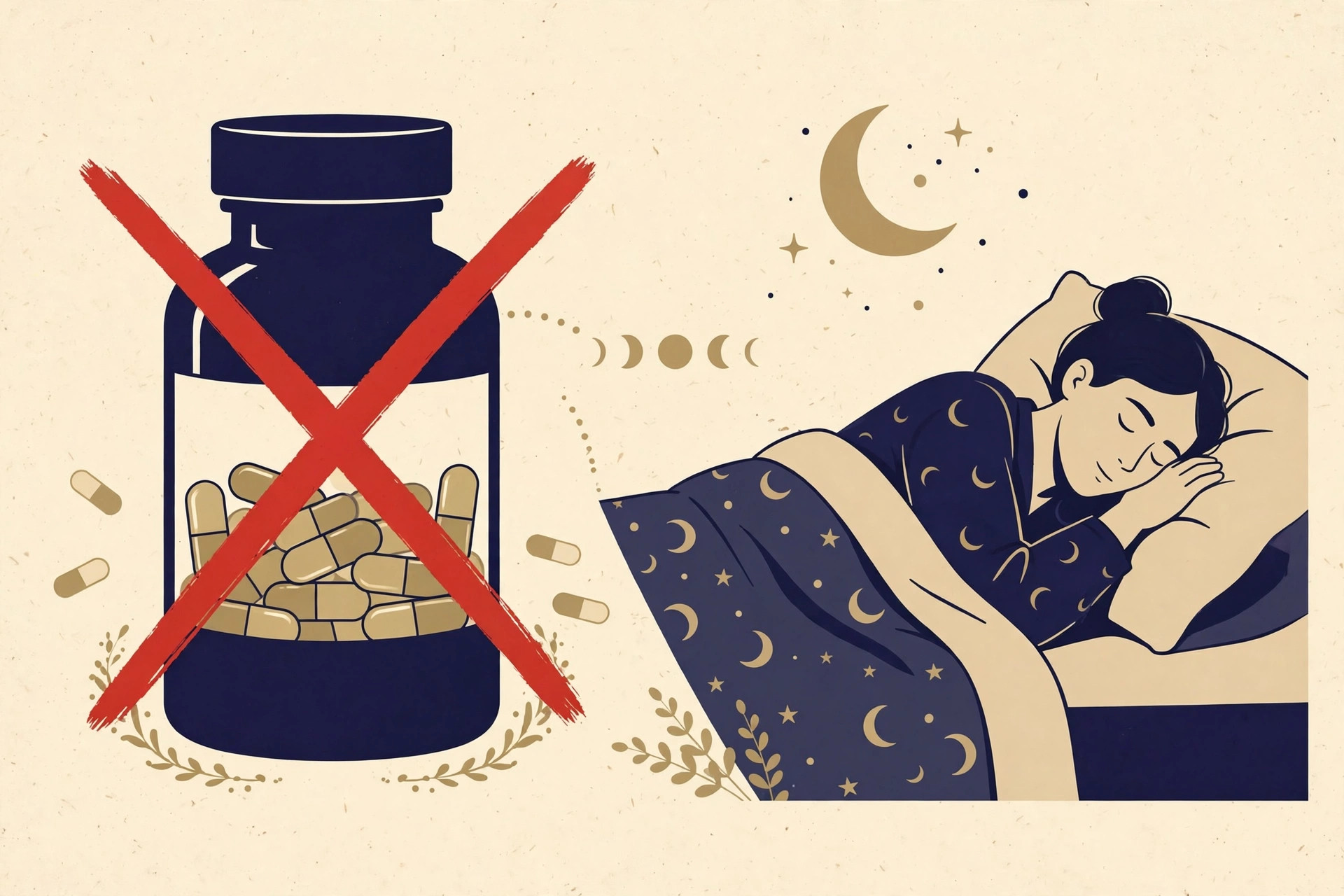
Take magnesium and your sleep problems end. That is the pitch. Wellness creators sell magnesium glycinate, threonate, and sprays as natural sleep aids that work for everyone. "Magnesium spray" and "magnesium lotion" trend as topical shortcuts you rub on before bed.
What the trials actually show
Small trials suggest magnesium may improve subjective sleep quality in older adults and in people who may be deficient. That is the positive finding. The catch: the trial base is small and mixed. Different doses, different forms, different people. High-quality sleep trials are thin. Mayo Clinic Press, Healthline, and Cleveland Clinic all covered the topic in 2026, and none of them call magnesium a proven sleep fix for the general population.
Why it helps some people and not others
The effect likely depends on your starting point. If you are low in magnesium, correcting that can improve sleep. If your levels are fine, extra magnesium does not act as a sedative. Dose and form matter too. "Magnesium helps you sleep" is a deficiency-correction story wearing a sedative costume.
What actually fixes bad sleep
Start with the boring fundamentals. Same bedtime every night. A dark, cool, quiet room. Cut caffeine after noon. Limit alcohol, which wrecks sleep quality even when it knocks you out. If insomnia is chronic, the treatment with the strongest trial evidence is CBT-I, cognitive behavioral therapy for insomnia. Our melatonin guide covers what that research shows.
This guide is general information, not medical advice. If symptoms stick around or worry you, talk to a doctor.
Questions, answered
Does magnesium help you sleep?
It may help if you are deficient or a poor sleeper. Trials are small and mixed. It is not a universal sedative, and the effect depends on your baseline levels, dose, and form.
Which form of magnesium is best for sleep?
Glycinate is the most marketed for sleep. The evidence does not strongly favor one form over another. Your deficiency status and dose matter more than the label.
Does magnesium spray work through the skin?
Topical magnesium is a weak evidence area. Oral supplements have the most trial support, and even that is thin. Do not expect a spray to outperform a pill.